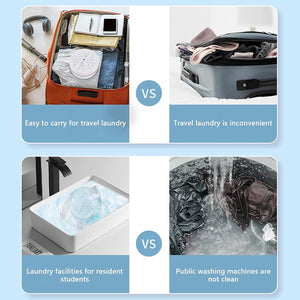
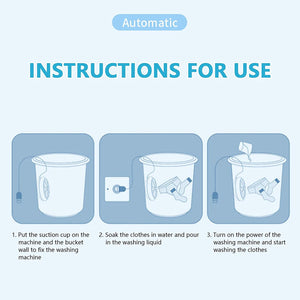


-
How It Works
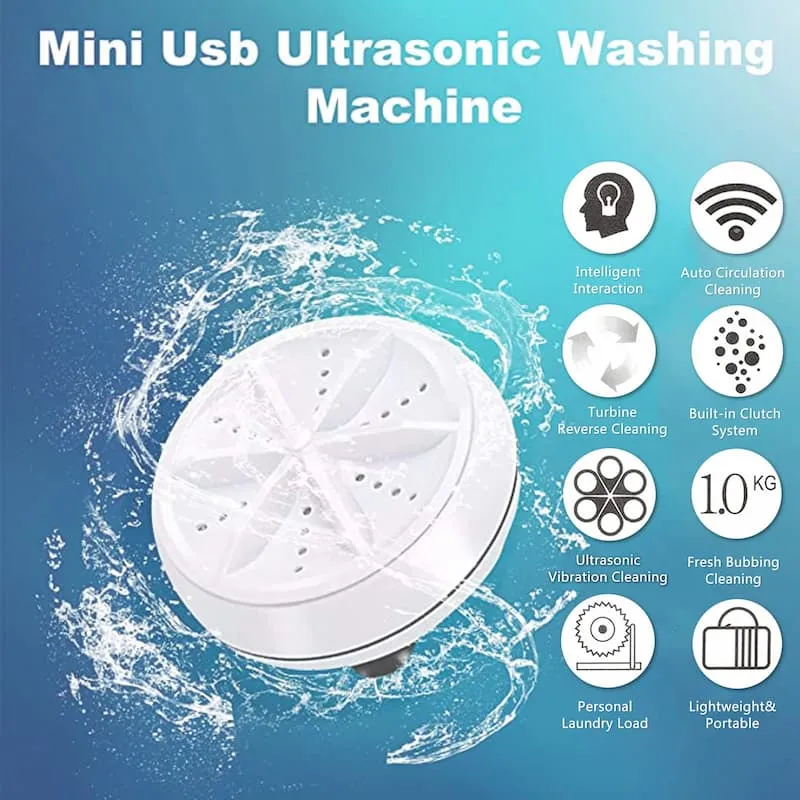
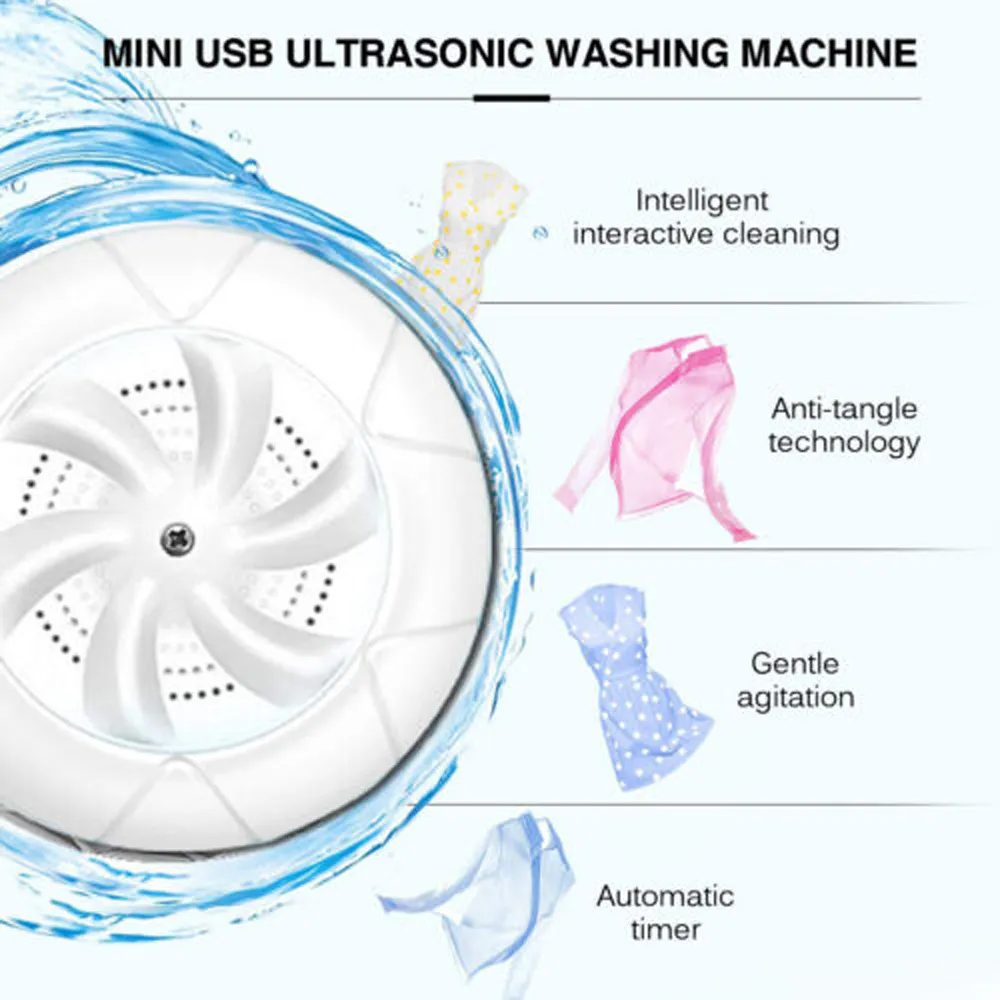
These devices typically use a combination of turbine rotation and ultrasonic vibration
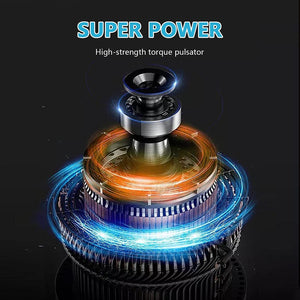
Turbine Rotation: The physical blades rotate forward and backward (often in 15-second cycles) to simulate hand-washing.
-
Ultrasonic Cleaning: High-frequency vibrations create tiny bubbles that "pop" against the fabric to loosen dirt and stains.
-
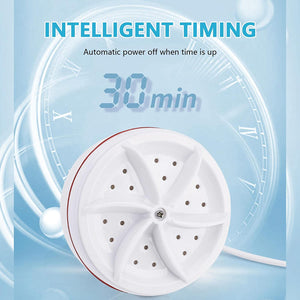
Automatic Cycles: Most run for about 30 minutes before shutting off automatically Key Features
-
Power Source: Usually powered via USB, meaning you can run it off a phone charger or a power bank.
-
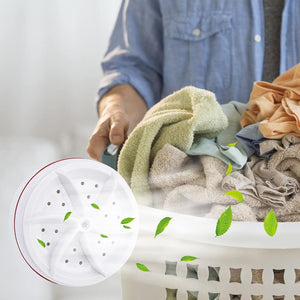
Capacity: Designed for light items only, typically handling up to 1kg of laundry.
-
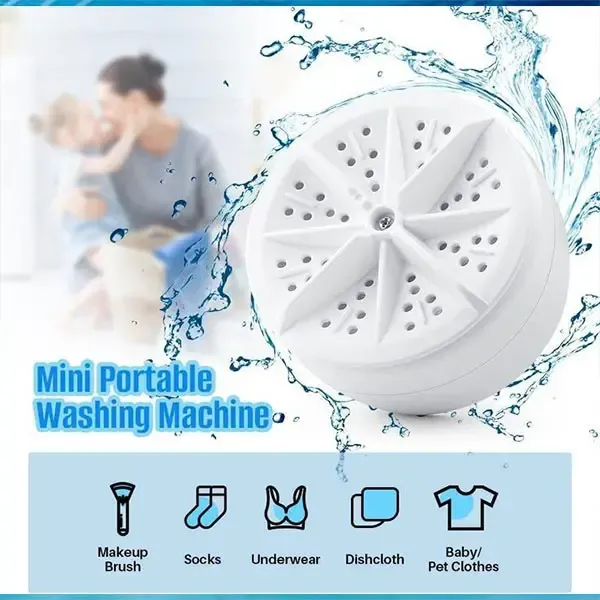
Versatility: Beyond clothes, they are often marketed for cleaning jewelry, glasses, or even fruits and vegetables.
-
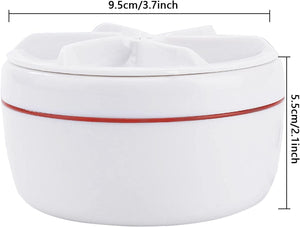
Portability: Compact enough to fit in a pocket or handbag, often weighing less than 300g
-
Note: No, suction cups will not stick to a rusty surface.
Suction cups require an airtight, perfectly smooth, and non-porous surface to create a vacuum seal.
Why it fails on rust:
-
Air leaks: Rust creates a rough, bumpy texture that allows air to slip underneath the cup.
-
Broken vacuum: Even a microscopic gap prevents the suction cup from holding any pressure.
-
Flaking surface: Rust peels and flakes off, causing the suction cup to fall off immediately under the weight or vibration of the machine How to fix it:
-
Switch containers: Use a smooth plastic bucket, glass basin, or clean ceramic sink instead.
-
Clean the surface: Scrub the rust away completely using sandpaper or vinegar until the metal is completely smooth and shiny.
-
Use waterproof tape: Apply a layer of heavy-duty, waterproof double-sided tape to hold the turbine base down if the suction cup fails.